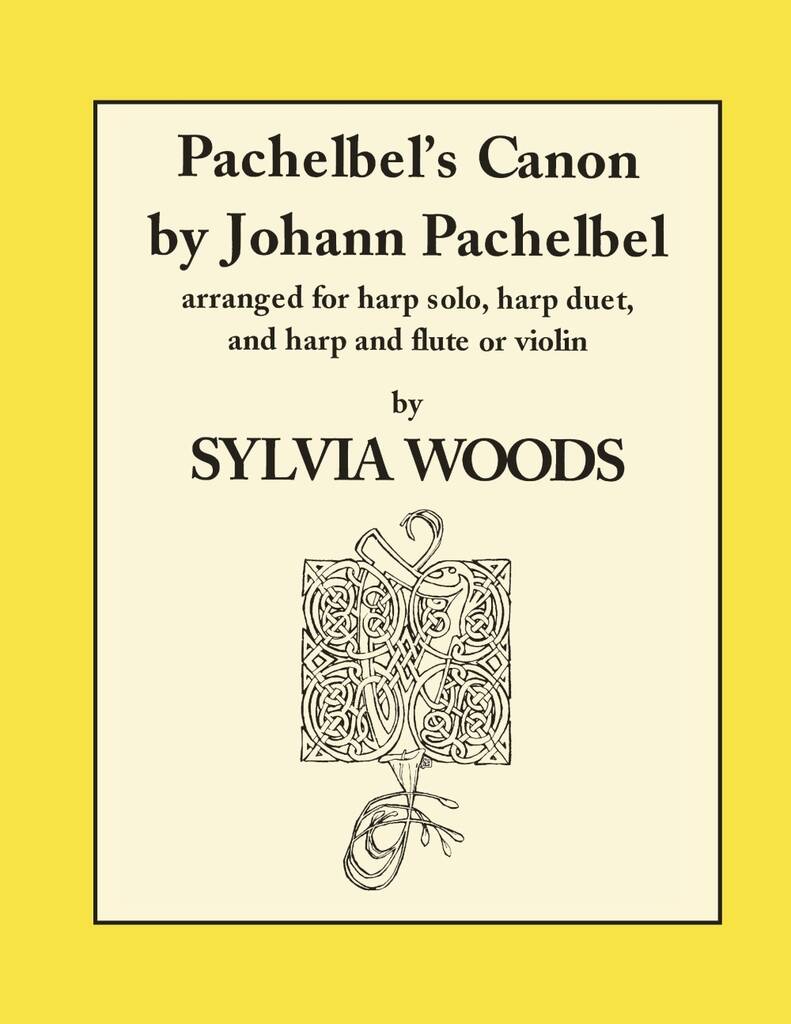
Pachelbel´s Canon - Johann Pachelbel, arr. Sylvia Woods
Pachelbel´s Canon - Johann Pachelbel, arr. Sylvia Woods
Verfügbarkeit für Abholungen konnte nicht geladen werden
Für Haken- oder Konzertharfe
Dieses Buch enthält eine Vielzahl von Bearbeitungen des berühmten Kanons von Johann Pachelbel durch Sylvia Woods. Es umfasst zwei Abschnitte: einen in der Originaltonart D und einen in der Tonart G. Jeder Abschnitt enthält mehrere Varianten: ein Solostück für Fortgeschrittene, ein anspruchsvolleres Solostück, ein Harfenduett sowie eine Bearbeitung für Harfe und Flöte, Violine oder ein anderes Soloinstrument. Fingersätze sind enthalten. Für fortgeschrittene bis erfahrene Spieler. 40 Seiten. Das Buch ist spiralgebunden.
INHALT:
Tonart D
Einfaches Harfen-Solo
Fortgeschrittenes Harfen-Solo
„A“-Stimme für Harfenduo
„B“-Stimme für Harfenduo
Melodiestimme für Ensemble
Tonart G
Einfaches Harfen-Solo
Fortgeschrittenes Harfen-Solo
„A“-Stimme für Harfenduo
„B“-Stimme für Harfenduo
Melodiestimme für Ensemble
So beschreibt Sylvia die verschiedenen Versionen in dieser Sammlung:
Vielleicht fragen Sie sich, warum ich dieses Buch in zwei Teilen verfasst habe, wobei die erste Hälfte in der Tonart D und die zweite in der Tonart G steht. Die ursprüngliche Tonart dieses Kanons war D. Auf vielen Hakenharfen klingt er jedoch in der Tonart G viel besser. Ein weiterer Grund für die beiden Tonarten ist, Harfen mit unterschiedlichen Tonumfängen gerecht zu werden. In der Tonart D kann beispielsweise das „Easy Harp Solo“ auf einer kleinen Harfe mit einem Tonumfang von nur einer Oktave unter dem mittleren C gespielt werden, während die „Advanced“-Versionen zwei Oktaven unter dem mittleren C erfordern. In der Tonart G benötigen alle Arrangements eine Harfe mit einem Tonumfang, der 1½ Oktaven unter dem mittleren C bis zum G reicht, das die unterste Linie auf der Bassnotenzeile bildet. Die Umstellungen der Haken für Spieler von Hakenharfen (ohne Pedale) sind zwischen dem Violinschlüssel und dem Bassschlüssel angegeben. Die Pedalwechsel für Pedalharfenisten sind unterhalb des Bassschlüssels angegeben.
Sylvia Woods hat einen Artikel verfasst, der Ihnen beim Erlernen dieses Stücks helfen soll. You can find How Great Danes and Bears Can Help You Learn To Play Pachelbel's Canon in our "Sylvia's Helpful Learning Tips" section.
For lever or pedal harp.
This book includes a variety of arrangements by Sylvia Woods of the famous Canon by Johann Pachelbel. Two sections are included: one in the original key of D, and one in the key of G. Each section comes complete with several versions: an intermediate solo; a more difficult solo; a harp duet; and an arrangement for harp and flute, violin, or other solo instrument. Fingerings are included. For intermediate to advanced players. 40 pages. The book is spiral-bound.
CONTENTS:
Key of D
Easy Harp Solo
Advanced Harp Solo
"A" part for harp duet
"B" part for harp duet
Melody Instrument Part for Ensemble
Key of G
Easy Harp Solo
Advanced Harp Solo
"A" part for harp duet
"B" part for harp duet
Melody Instrument Part for Ensemble
Here's how Sylvia describes the various versions in this collection:
You may wonder why I wrote this book in two parts, with the first half in the Key of D, and the second in the Key of G. The original key for this Canon was D. However, on many lever harps it sounds much better in the key of G. Another reason for the two keys is to accommodate harps with various ranges. For example, in the Key of D the "Easy Harp Solo" can be played on a small harp with a range of only one octave below middle C, and the "Advanced" versions need two octaves below middle C. In the Key of G, all the arrangements need a harp with a range going down 1-1/2 octaves below middle C, to the G that is the bottom line on the bass staff. Sharping lever changes for lever (non-pedal) harp players are indicated between the treble and bass clef staves. Pedal changes for pedal harpists are indicated below the bass clef.
Sylvia Woods has written an article to help you learn to play this piece. You can find How Great Danes and Bears Can Help You Learn To Play Pachelbel's Canon in our "Sylvia's Helpful Learning Tips" section.
Share